Air Conditioning Installation in Puyallup, WA: What Homeowners Should Know Before Installing a New Air Conditioning System
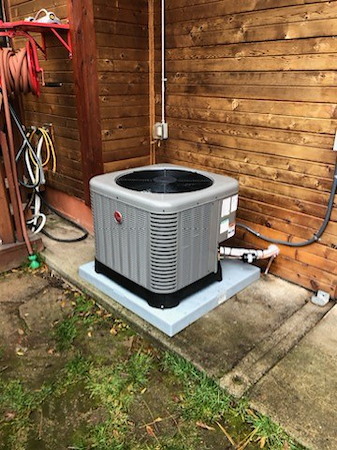
Summer heat around Puyallup can sneak up fast. If you are planning air conditioning installation for your home in South Hill, Sunrise, or near Downtown Puyallup, a little preparation goes a long way. This guide explains how to choose the right system, get your home ready, and set clear expectations so your project with HVAC Service Pros runs smoothly. If you prefer a turnkey experience, explore our professional air conditioning installation services to see how a licensed team handles every step.
Why Proper Sizing Comes First
Getting the size right is the single most important step. A system that is too big will short cycle and leave rooms muggy. A system that is too small will run hard on the hottest afternoons in North Puyallup and still feel behind. Your contractor should account for square footage, insulation, window count and direction, and how sun and shade move across your lot.
Always request a professional load calculation before choosing equipment. This math helps match the system to your home rather than guessing from rough rules. It also guides ductwork adjustments and thermostat placement so every room cools evenly.
Choosing the Right New AC System
Puyallup neighborhoods vary. A newer home in Sunrise may have tighter construction and better ducts than a mid-century bungalow close to the fairgrounds. That affects which system style makes sense. Your comfort goals matter too, like low noise in bedrooms or better humidity control during late summer heat waves.
- Central split system: A reliable choice for most single-family homes with existing ducts.
- High-efficiency heat pump: Provides efficient cooling plus electric heating in mild seasons.
- Ductless mini-split: Fits additions, bonus rooms, or homes with limited duct space.
Look at features that improve real comfort, not just ratings. Variable-speed compressors and indoor fans can smooth out temperature swings. A well-matched coil and condenser improves moisture removal on sticky August days. Quiet outdoor units are helpful if the condenser sits near a patio or bedroom window.
Home And Electrical Readiness
Before install day, your technician should review the air handler location, duct condition, and electrical service. Leaky or undersized ducts can waste cooling and create hot spots. Sealing and balancing may be recommended so air reaches distant rooms upstairs or over the garage. The electrical panel needs room for a dedicated circuit and correct breaker size, and the line set route should be tidy and well protected.
Drainage matters too. Condensate must move safely to a drain or pump to prevent water issues in closets or attics. Discuss surge protection and thermostat wiring so smart controls work from the start. When your home is ready, the install runs faster and avoids callbacks.
Placement Matters Indoors And Out
Outdoor units need clear space for airflow. Keep them off narrow side yards that collect yard waste or where snow and leaves pile up. Avoid tucking the unit under low decks or tight alcoves that trap heat. If the only option is near a bedroom, ask about quieter models and vibration pads.
Indoors, the air handler or coil should remain accessible for service. Supply and return grilles need space to breathe. Do not block the outdoor unit with fencing, shrubs, or storage. It shortens system life and hurts efficiency. Your installer will also look for a straight, secure line set path to reduce vibration and protect refrigerant lines.
Comfort Upgrades That Make A Difference
Comfort is more than temperature. Good filtration helps reduce dust and pollen during spring blooms. Whole-home air purification can target fine particles that basic filters miss. Zoning can split living and sleeping areas so the second floor sleeps cool without overcooling the main level. Smart thermostats learn schedules and help trim energy use when you are away.
Your technician can also measure airflow at key registers. Even distribution helps upstairs rooms in South Hill stay comfortable during late afternoon sun. Small duct tweaks can pay off with quieter operation and steadier temps.
Puyallup often sees the hottest stretches from late July into August. Booking your project in spring helps you avoid long wait lists and rush installs. If your home sits on a tight street near Downtown Puyallup, let your installer know about parking or driveway limits so equipment delivery goes smoothly.
What To Expect On Installation Day
A well-planned install is organized and respectful of your home. Crews should protect floors, review the plan with you, and confirm thermostat locations and condenser placement before starting. Expect noise during removal of old equipment and while setting the new condenser.
- Old equipment is safely disconnected and removed.
- New components are set, connected, and pressure tested.
- Refrigerant charge, airflow, and controls are tuned to manufacturer specs.
- Final checks confirm cooling performance in multiple rooms.
Ask for a full system startup and airflow check before your crew leaves. A quick room-by-room walkthrough helps catch small details early, like a register that needs adjustment or a thermostat schedule that needs fine-tuning.
Permits, Codes, And Inspections
Local rules help ensure safety and performance. Depending on your project scope and location, permits or inspections may be required. Licensed HVAC contractors coordinate with local authorities and follow current mechanical and electrical standards. If your home is part of a homeowners association, share placement and noise guidelines with your installer during planning.
Maintenance And Warranty Basics
A new system is an investment that should last for years. Most manufacturers require documented maintenance to keep warranties in effect. That usually includes periodic professional checks of refrigerant levels, electrical connections, and drainage, plus confirmation that airflow and controls are within spec. See our page on seasonal hvac maintenance for what a tune-up typically includes and how it supports long-term efficiency.
Keep up with professional maintenance to protect your warranty. Your technician will review filter options and the service rhythm that fits your home and family. If you would like to read more tips and insights, browse our hvac tips blog for practical guidance on keeping your system running smoothly.
When Replacement Beats Another Repair
Sometimes the right move is to replace rather than patch. Consider replacement if your system struggles to cool during mild Puyallup afternoons, if repair visits are piling up, or if your energy use has climbed even though your routines have not changed. Newer systems can cool more evenly at lower speeds, which improves comfort and reduces noise. A health check of ducts and thermostat strategy may be part of the plan so the new equipment delivers the comfort you expect.
If you are starting from window units or fans, central cooling can transform summer living. It also improves indoor air quality by filtering and circulating air throughout the home, which is helpful during pollen season.
Budget, Timing, And Project Planning
Every home is unique. Project timelines can vary based on home size, duct condition, electrical updates, and scheduling season. Lead times can stretch during heat waves, so planning ahead gives you more options. You can read about our full lineup of services and scheduling windows on our air conditioning installation in Puyallup, WA overview as part of our main site.
For a smooth start, gather the basics before your consultation: approximate home square footage, any hot or cold rooms, and details on past repairs. Photos of the current outdoor unit area and electrical panel can help your technician prepare the right materials for day one.
Your Next Step With HVAC Service Pros
When you are ready, our licensed team will size your system, tune airflow, and set up controls so your home feels right in every season. Learn how our team handles selection, placement, and testing by reviewing our page on air conditioning installation. If you want a single point of contact from start to finish, HVAC Service Pros is ready to help.
Speak with a friendly specialist today at 253-361-6236. Or, if you prefer to plan online, you can schedule your air conditioning installation and request a convenient appointment time that fits your week.
Contact HVAC Service Pros For All Your Heating & Air Conditioning Needs!